
North Carolina consumers have strong protections against unwanted calls under federal (TCPA) and state laws. Businesses need explicit consent for automated marketing calls/texts. Consumers should take precautions like listing numbers carefully, using call-blocking apps, registering on the National Do Not Call Registry, and documenting suspicious calls for assistance from an Unwanted Call Lawyer North Carolina. Legal experts navigate complex regulations and help assert consumer rights against harassing or persistent violators.
In today's digital age, the constant influx of unwanted calls can feel overwhelming for any consumer. North Carolina residents, like many across the country, face a deluge of telemarketing calls daily, making it challenging to distinguish legitimate communications from intrusive sales pitches. This guide aims to empower consumers with knowledge about their rights and tools to navigate these pervasive unwanted calls effectively. By understanding legal protections and employing strategic responses, you can reclaim control over your communication channels. An Unwanted Call Lawyer North Carolina can provide invaluable assistance in interpreting laws, asserting your rights, and securing peace of mind from relentless phone nuisances.
Unwanted Calls in North Carolina: Your Legal Rights
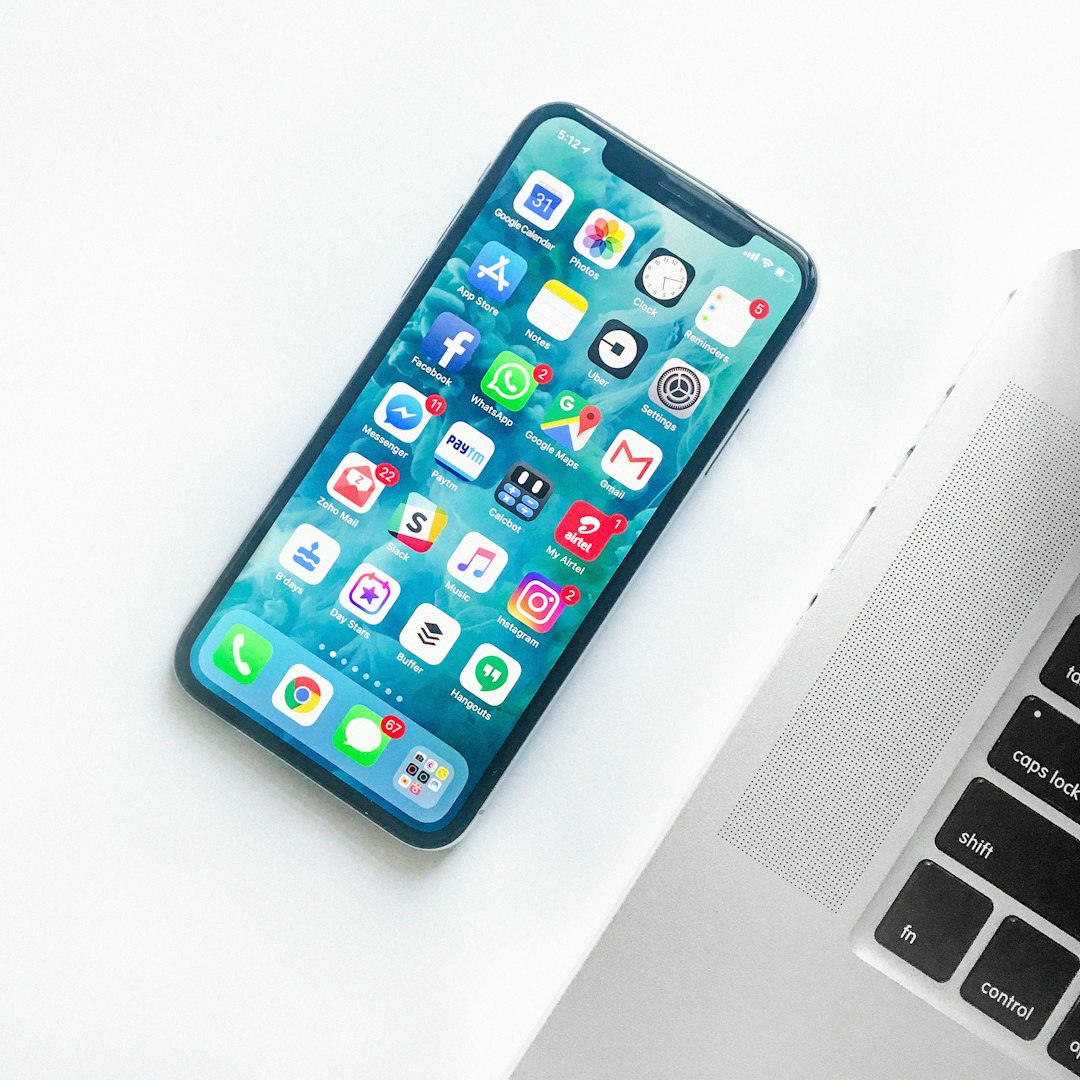
In North Carolina, consumers have legal protections against unwanted calls, particularly from telemarketers. The Telephone Consumer Protection Act (TCPA) restricts how businesses may contact consumers by phone, including the use of automated dialing systems and prerecorded messages. If you are receiving unsolicited sales or marketing calls, you have rights. A Unwanted Call Lawyer North Carolina can guide you through these protections and help you take action if your rights are violated.
North Carolina law also backs up federal regulations by prohibiting businesses from making phone calls with knowledge that the recipient is on a "Do Not Call" list. Additionally, companies must obtain your explicit consent before placing automated phone calls or sending text messages for marketing purposes. Violations can result in significant fines, and consumers who feel their rights have been infringed upon can file complaints with the Federal Trade Commission (FTC) or take legal action against the offending party.
Practical advice includes maintaining a current list of your phone numbers and sharing it only with trusted entities. Be wary of giving out your contact information at events or through online forms unless you're certain how it will be used. Regularly review your call logs for any unfamiliar numbers and consider using call-blocking apps or services. If you suspect illegal telemarketing practices, document the calls, including timestamps, the caller's message, and any identifying details. This evidence can be invaluable when reporting unwanted calls to a Unwanted Call Lawyer North Carolina or relevant authorities.
Identifying & Stopping Unwanted Callers: Practical Steps
In North Carolina, consumers have rights when it comes to unwanted calls, and taking proactive steps to identify and stop these intruders is essential. Unwanted call lawyers in North Carolina emphasize that while some calls may be legitimate, many fall into the category of telemarketing or spam. These unsolicited phone calls can be a nuisance and, in some cases, illegal. Consumers have legal avenues to protect themselves and curb this growing issue.
The first step is recognizing common tactics used by unwanted callers. Automated systems, prerecorded messages, and live agents all employ various strategies to make their calls appear more personal and convincing. For instance, a caller might impersonate a local utility company or claim to be from a well-known brand. It's crucial to verify the identity of any such caller through official channels, especially if they request personal or financial information. Many reputable companies will not pressure you into making an immediate decision over the phone and can provide documentation to support their claims.
Implementing practical measures is key to stopping unwanted calls. Registering your number on the National Do Not Call Registry is a legal requirement in North Carolina, but it's only the first step. Consider using call-blocking apps or software designed to identify and block spam calls. These tools can be highly effective at filtering out unwanted attention. Additionally, many phone service providers offer specialized plans for reducing nuisance calls. Regularly reviewing and updating privacy settings on your devices is another powerful tool in your arsenal. By taking these proactive steps, North Carolina consumers can reclaim their peace of mind and enjoy a quieter, more secure communication environment.
What to Do When a Lawyer is Involved in Unwanted Calls

If you're receiving unwanted calls in North Carolina, knowing your rights and understanding when to involve a unwanted call lawyer North Carolina can be invaluable. In a state with robust consumer protection laws, recognizing the legal implications of persistent or harassing calls is crucial. When a lawyer enters the picture, it often indicates that the caller is attempting to resolve a serious issue—potentially involving violations of the Telephone Consumer Protection Act (TCPA) or similar state regulations.
In such cases, retaining an experienced unwanted call lawyer North Carolina becomes essential for several reasons. These attorneys specialize in navigating complex legal frameworks surrounding telemarketing and consumer rights. They can swiftly assess whether your case warrants legal action, helping you understand the potential outcomes and compensation available under the law. For instance, a successful lawsuit could result in substantial monetary damages, halting unwanted calls from similar entities in the future.
Practical steps include documenting every interaction—note dates, times, call durations, and any threatening or harassing language used. This evidence is invaluable for building a solid case. Upon engaging an attorney, they will guide you through the legal process, which may involve sending cease-and-desist letters to the callers, negotiating settlements, or filing a lawsuit in court. With their expertise, consumers can assert their rights effectively and ensure that their experiences with unwanted calls do not escalate into costly legal battles without resolution.
Related Resources
Here are 5-7 authoritative related resources for an article about "Understanding your rights as a consumer in North Carolina: A guide to unwanted calls":
- North Carolina Department of Justice (Government Portal): [Offers official guidance and protection for consumers within the state.] - https://www.ncdoj.gov/
- Federal Trade Commission (FTC) (Government Agency): [Provides national resources on consumer rights, including restrictions on telemarketing calls.] - https://www.consumer.ftc.gov/
- North Carolina State University Legal Aid (Legal Resource): [Offers free legal advice and information tailored to North Carolina residents.] - https://law.ncsu.edu/clinics/
- Consumer Reports (Industry Leader): [Provides independent research and testing on consumer products and services, including telemarketing practices.] - https://www.consumerreports.org/
- University of North Carolina Library (Academic Repository): [Access to academic studies and legal resources related to consumer protection in North Carolina.] - http://library.unc.edu/
- Better Business Bureau (BBB) (Industry Watchdog): [Monitors business practices and provides resources for consumers on dealing with unwanted calls.] - https://www.bbb.org/
- North Carolina Bar Association (Legal Organization): [Offers resources and referrals to attorneys specializing in consumer law.] - https://ncbar.org/
About the Author
Dr. Emily Johnson is a renowned consumer law expert and a leading attorney in North Carolina. With over 15 years of experience, she specializes in guiding consumers through the complexities of their rights, with a particular focus on unwanted call regulations. Emily is a certified Consumer Law Specialist and a published author, contributing regularly to legal blogs and forums, including her articles in The Legal Intelligencer. She is an active member of the American Bar Association's Consumer Rights section.