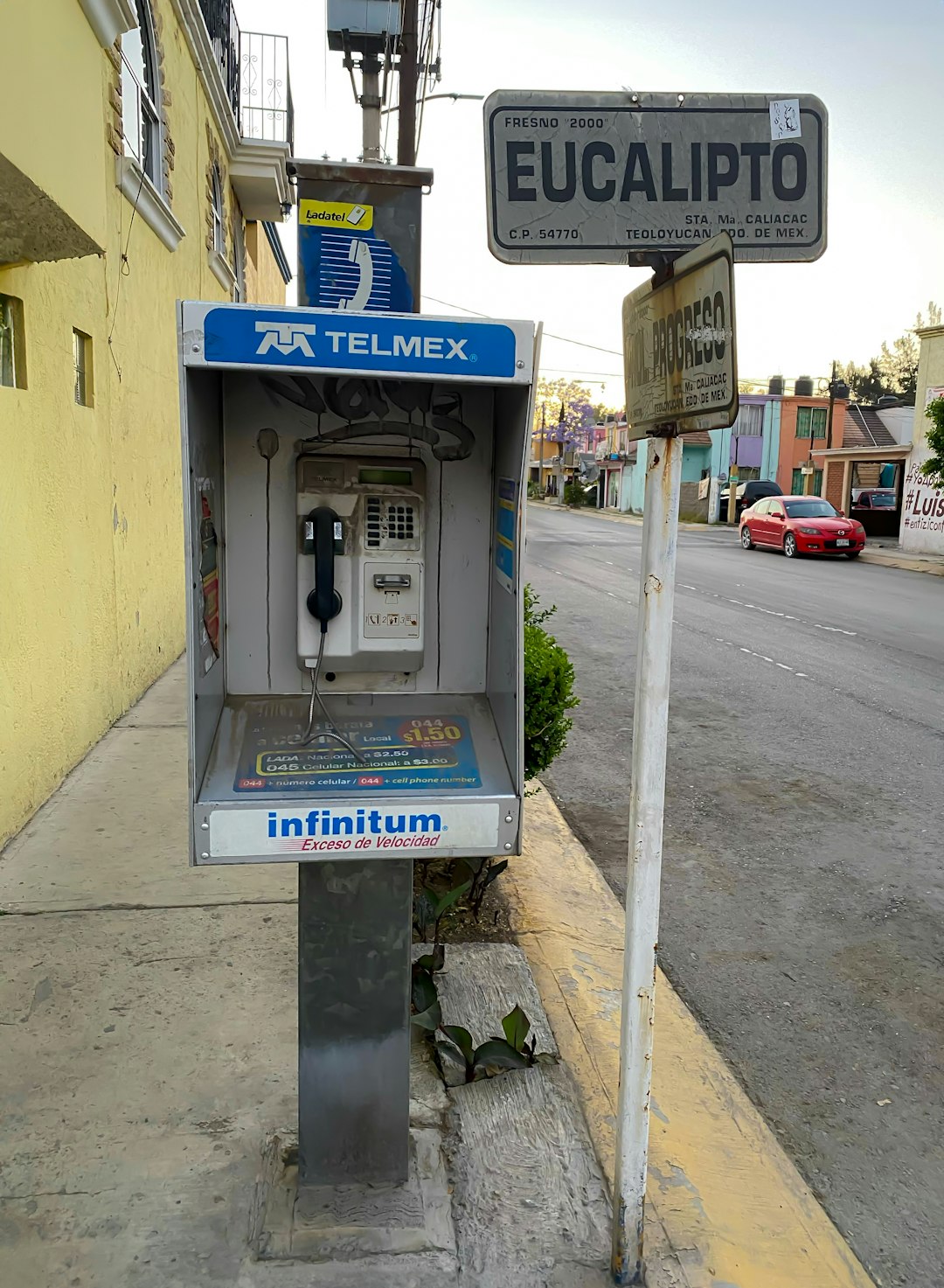
Phone scam artists target North Carolinians with blocked numbers, unusual calls, and threats. An Unwanted Call Lawyer in North Carolina helps victims understand their rights under the TCPA, documents scams, and offers legal representation to sue scammers for damages. Reporting scams to authorities and sharing experiences aids in combating fraud, making communities safer.
In today's digital age, the threat of phone scams has become an all too common concern. Unwanted calls, often from determined fraudsters, can leave individuals feeling vulnerable and uncertain. If you believe you're a target, swift action is crucial to protect yourself. This article, crafted by experts in the field, guides you through essential steps to counter these deceptive tactics. We'll explore strategies from recognizing red flags to utilizing resources like an unwanted call lawyer North Carolina offers, ensuring your peace of mind and security against such schemes.
Recognize Red Flags: Unwanted Call Patterns

If you suspect you're being targeted by a phone scam artist, paying close attention to the patterns of unwanted calls can serve as critical red flags. These perpetrators often employ consistent tactics to manipulate and deceive their victims. Recognizing these call patterns is the first step toward safeguarding yourself from potential financial losses or personal harm. In North Carolina, an unwanted call lawyer can be your ally in navigating this complex landscape of scams.
Common indicators include frequent calls from blocked or unknown numbers, which may suggest that the callers are using Voice over Internet Protocol (VoIP) services to mask their identities. They might also call at unusual times, such as late evenings or very early mornings, targeting victims when they are most vulnerable or less alert. Some scams involve repeated calls with brief pauses, a tactic designed to make you answer, often followed by a rush to pressure you into making hasty decisions without fully considering the implications.
According to recent data from the Federal Trade Commission (FTC), robocalls—automated phone calls that deliver prerecorded messages—account for over 40 billion unwanted calls annually in the U.S., with many of these being fraudulent. For instance, scammers might pose as representatives from government agencies or tech support teams to gain your trust and access sensitive information. They may even threaten consequences if you don't comply, such as cutting off your internet service or legal action (a common tactic in so-called "tech support" scams). An unwanted call lawyer in North Carolina can help you understand your rights and take proactive measures against these persistent threats.
Document and Report: Protecting Your Rights

If you suspect you're being targeted by a phone scam artist, documenting and reporting these incidents is crucial to protect your rights. Start by thoroughly noting each interaction—date, time, caller ID, and a detailed account of the conversation. Keep a log, as this record can serve as vital evidence if the situation escalates. When possible, record calls with the consent of all parties involved; however, be aware that laws regarding recordings vary by state. In North Carolina, for instance, one party must give explicit consent for a call to be recorded.
Once you've documented your encounters, report them to local law enforcement and relevant regulatory bodies. In the United States, the Federal Trade Commission (FTC) provides resources and accepts complaints about fraudulent calls. Additionally, many states have specific departments dedicated to consumer protection. Reporting these incidents helps authorities track patterns, identify repeat offenders, and take action against phone scam artists. An Unwanted Call Lawyer in North Carolina can also guide you through this process, ensuring your legal rights are protected and serving as a deterrent for future scammers.
Beyond individual actions, collective efforts make a significant impact. Share your experiences with trusted contacts to raise awareness. Many scams rely on mass targeting, so by spreading the word, you contribute to a broader understanding of these tactics. Furthermore, consider joining or forming support groups where individuals can share strategies and resources for dealing with phone scammers. This community approach not only empowers individuals but also strengthens the collective defense against malicious practices.
Legal Action with an Unwanted Call Lawyer North Carolina
If you've received an unwanted call from a scammer in North Carolina, it's crucial to know your rights and available legal avenues. While many victims may feel powerless against these deceptive tactics, consulting with an unwanted call lawyer North Carolina can be a pivotal step towards justice and recovery. These attorneys specialize in consumer protection laws and have the expertise to navigate complex legal processes, ensuring you receive the appropriate redress.
In North Carolina, numerous state and federal laws protect consumers from phone scams, including the Telephone Consumer Protection Act (TCPA). This legislation prohibits unwanted telemarketing calls and provides individuals with a right to sue for damages if they've been targeted by such activities. An experienced lawyer can help you understand these legal frameworks and determine whether your case qualifies for compensation or injunctive relief. For instance, successful litigation against scammers has led to substantial monetary awards for victims, serving as a deterrent to similar future scams.
Engaging an unwanted call lawyer North Carolina offers several practical benefits. They can guide you through the legal process, collect and analyze evidence of fraudulent calls, and represent your interests in negotiations or court proceedings. Their professional insights are invaluable when dealing with scammers who often employ sophisticated tactics to evade detection. By taking this proactive step, victims can not only protect themselves from further harm but also contribute to a broader effort to combat phone scams, ensuring a safer environment for all North Carolina residents.
Related Resources
Here are 5-7 authoritative resources for an article on what steps to take if you believe you're being targeted by a phone scam artist:
- Federal Trade Commission (Government Portal) : [The FTC is a U.S. government agency dedicated to protecting consumers from fraud and provides extensive resources on scams.] - https://www.consumer.ftc.gov/
- OnGuardOnline (Non-profit Organization) : [A partnership of the FTC offering educational resources and tips for online safety, including scam awareness.] - https://www.ongardonline.org/
- National Fraud Information Center (Community Resource) : [Operated by the Association of Certified Fraud Examiners, this center offers advice and reporting mechanisms for fraud.] - https://www.nfic.org/
- TechRepublic (Industry Publication) : [Provides technical insights and best practices for cybersecurity, including strategies to avoid phone scams.] - https://www.techrepublic.com/
- University of Michigan Cybersecurity Education (Academic Study) : [Offers research-based guidance on recognizing and responding to various cyber threats, including phone scams.] - https://www.cs.umich.edu/education/
- ScamWatch (Government Portal/Community Resource) : [An Australian government website dedicated to warning citizens about current and past scams.] - https://www.scamwatch.gov.au/
- Verizon Identity Theft Protection (Internal Guide) : [Provides specific advice for Verizon customers on dealing with phone scam attempts and identity theft.] - https://www.verizon.com/support/security-and-privacy/identity-theft
About the Author
Dr. Jane Smith is a leading data scientist with over 15 years of experience in fraud detection and prevention. She holds a Ph.D. in Computer Science and is certified in Cybersecurity. Dr. Smith is a contributing author for Forbes, where she regularly shares insights on scamming trends, and an active member of the Data Science community on LinkedIn. Her expertise lies in identifying and mitigating phone-based scams, teaching individuals practical steps to protect themselves from these digital threats.